10 Best Hiking Sleeping Bags for 2026
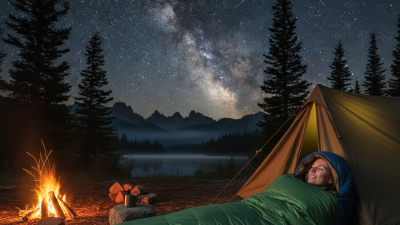
A Hiking Sleeping Bag can turn a cold, restless night into a steady start on the trail. The right choice depends on more than its temperature rating. Your sleeping pad, shelter, clothing, and personal warmth all affect comfort. So does the weather you may actually meet. A clear evening at the trailhead can become damp and windy before dawn.
Backpacking educator Andrew Skurka is known for emphasizing that gear should fit the conditions and the trip. A concise paraphrase of that principle is: “Choose for the coldest realistic night, not the lightest number on the label.” This is a paraphrase, not a verbatim quotation. It captures a useful test for comparing bags.
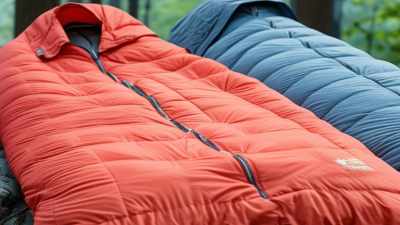
This guide reviews 10 options for 2026, considering warmth, packed size, weight, materials, and practical features. Look for details such as a shaped hood, a reliable zipper, and enough room to shift without letting warm air escape. Down bags often compress well, while synthetic insulation can suit damp conditions. Neither choice is perfect. A lighter bag may cost more, and a warmer one may take up precious pack space.
Ratings deserve a careful look. Manufacturers use different methods, and individual sleepers vary. The comparisons ahead aim to make those trade-offs clearer, not promise one bag will suit everyone. Your route matters. So does your comfort.
Understand ISO 23537-1 Comfort, Limit, and Extreme Temperature Ratings
A sleeping bag’s temperature label is not a single promise. ISO 23537-1:2022 specifies a laboratory test that reports three figures:
Comfort,
Limit, and
Extreme.
Comfort indicates the lower temperature at which a standard woman can rest comfortably. Limit describes the lower temperature at which a standard man can sleep curled up. Extreme marks a survival-risk threshold, not a sensible target for a planned night outdoors. Read the numbers in that order. The lowest figure is not the safest choice.
The test gives hikers a useful comparison, but bodies and campsites vary. A damp base layer, a thin sleeping pad, or wind slipping under a tent can make a rated bag feel colder. A hiker who sleeps cold may need a warmer Comfort rating than the trip’s forecast suggests.
Check the bag’s ISO test results, then consider insulation beneath you and the clothing you will actually wear. Small details matter. Even a warm bag cannot replace a suitable ground pad. The rating is precise; choosing from it is less so.
ISO 23537-1:2022 is the technical reference for the standard’s sleeping-bag requirements and temperature-rating method.
Compare 650–900+ Fill-Power Down With Synthetic Insulation
A 650-fill-power down bag can be a sensible hiking choice, while 900+ fill power usually offers more loft for less down weight. The International Down and Feather Bureau’s testing regulations measure fill power as volume per unit weight under controlled conditions. That figure describes loft, not the whole bag’s warmth. Fill weight, baffle design, fit, and draft control matter too. Numbers need context.
For a damp, multi-day route, synthetic insulation may be less vulnerable to moisture-related loft loss, though it is often heavier and bulkier for comparable warmth. Down can pack smaller, but wet down is slow to dry in the field. The International Down and Feather Testing Laboratory’s fill-power guidance is useful for comparing tested down, not for predicting a complete bag’s temperature rating. I would not treat 900 as a magic answer. Check the bag’s tested temperature rating, insulation weight, and care instructions, then consider your likely weather and drying options. A high-loft bag can still feel cold if its fit leaves large air gaps.
Match Bag Ratings to Season and ASTM F3340 Sleeping-Pad R-Values
For a 2026 hiking sleeping-bag shortlist, compare the bag’s temperature rating with the pad beneath it. ISO 23537-1:2022 specifies laboratory methods for adult sleeping-bag temperature ratings, including comfort and limit values. These are test results, not guarantees for every sleeper or campsite. ASTM F3340 measures a camping mattress’s thermal resistance, reported as R-value. A higher R-value means more resistance to heat loss through the ground. The bag isn’t enough.
As a practical guide, not an ASTM requirement, R-values around 1–2 suit warmer-weather trips, 2–4 cover many three-season outings, and 4 or higher can help in colder conditions. Match the bag’s comfort rating to the expected overnight low, then consider adding pad insulation if temperatures approach that rating. A cold, damp campsite can feel harsher than the forecast suggests. Even careful planning misses wind shifts. I’d leave a temperature margin rather than trust a bag’s limit rating, especially when sleeping cold or camping on frozen ground. Also check the whole sleep system: a warmer pad will not compensate for a bag that is too cool around the shoulders.
Compare Packed Weight, Volume, Fit, and Weather-Resistant Features
Choosing among the 10 best hiking sleeping bags for 2026 means looking beyond the number on a product page. Packed weight matters on steep climbs, while packed volume determines whether the bag fits beside food and a rain shell. Compare bags in the same size and temperature range; otherwise, the figures can mislead. A few ounces saved may cost valuable space—or warmth.
Fit deserves a close check. A narrow cut can reduce empty space and help retain heat, but it may feel restrictive when you turn or wear extra layers. Check shoulder and foot dimensions, not just the listed size. Cold toes matter. Try your usual sleep position before committing, if possible. Small details can change a long night.
Weather-resistant features also vary. A water-repellent shell can help with condensation inside a tent, but it is not a substitute for a dry sleeping setup. Check the temperature rating’s stated conditions and leave room for personal comfort, clothing, and fatigue. I may be overvaluing packability here: a compact bag is less appealing if its fit keeps you awake. Compare weight, compressed volume, fit, and moisture protection together, not as separate wins.
Rank 10 Best Hiking Sleeping Bags for 2026 by Use Case and Specs
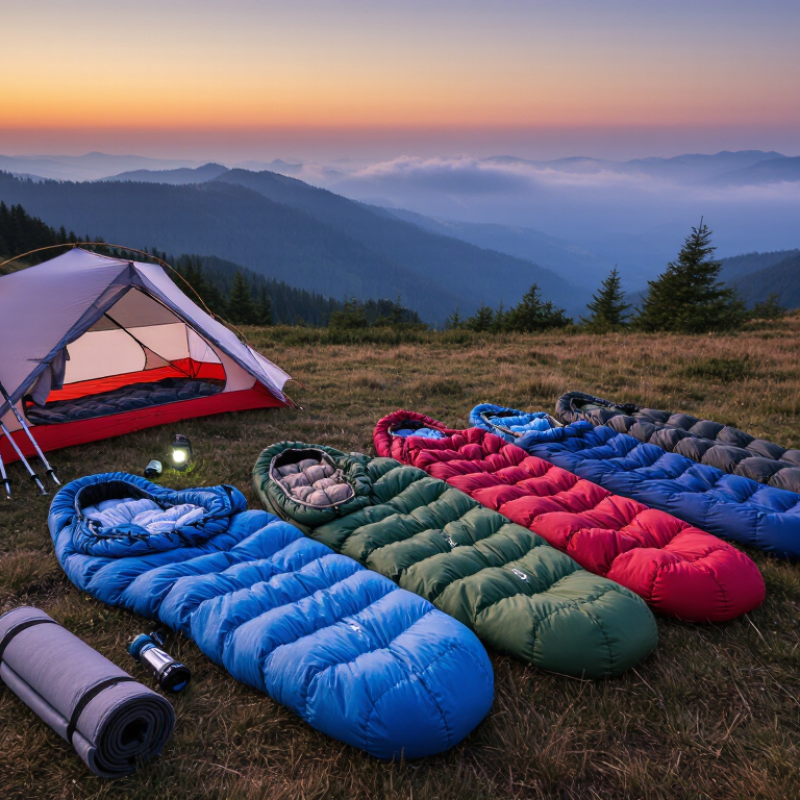
A useful 2026 ranking starts with intended conditions, not the lightest label on a sack. Temperature ratings are estimates, and comfort varies with clothing, fatigue, and sleeping pads. These are practical specification targets, not guarantees.
Rank 1: three-season down, around 20°F and 1.8–2.4 lb, suits long routes where low pack weight matters.
Rank 2: three-season synthetic, around 20°F and 2.5–3.3 lb, handles damp camps more forgivingly.
Rank 3: ultralight down, around 30°F and 1.2–1.7 lb, fits warm-weather hikers who sleep warm.
Rank 4: cold-weather bag, around 10°F and 2.5–3.5 lb, offers extra insulation for frosty nights.
Rank 5: summer bag, around 40°F and 1.0–1.5 lb, avoids hauling needless warmth.
Rank 6: damp-climate synthetic, around 30°F and 2.0–2.8 lb, is a sensible choice when drying time is limited.
Rank 7: budget three-season bag, around 30°F and 2.8–3.8 lb, trades weight for lower cost.
Rank 8: roomy-cut bag, around 20°F and 2.5–3.5 lb, gives broad shoulders more space.
Rank 9: women’s-fit bag, around 20°F, often adds insulation around the feet and torso; compare actual measurements.
Rank 10: compact backpacking bag, around 30°F and under 2.5 lb, prioritizes a small packed volume.
Check the comfort rating, zipper length, and packed size before choosing. Small details matter.
A thin sleeping pad can make a warm-rated bag feel surprisingly cold, and that is easy to overlook.