China Top Personalized Canopy Tent Manufacturer?
Choosing a China top manufacturer for a Personalized Canopy Tent requires more than comparing factory prices. It requires evidence, practical experience, and careful verification. The PPAI Promotional Products Association reported that United States promotional products sales reached approximately $26.6 billion in 2023. This figure shows strong demand for branded, portable displays at trade shows, sports events, retailers, and outdoor campaigns.
Exhibition demand is also recovering. UFI’s Global Exhibition Barometer continues to track improving business conditions across major exhibition markets. Yet, demand alone does not prove manufacturing quality. A reliable supplier should explain fabric weight, frame materials, printing methods, fire-safety documentation, packaging, and production inspection procedures. For example, a 3 × 3 metre tent may use 600D polyester, powder-coated steel, or lightweight aluminum. These details affect transport weight, weather performance, and service life.
The best Personalized Canopy Tent manufacturer is not always the largest factory. It should provide consistent color matching, stable stitching, accurate dimensions, and clear sample approval. Independent testing can strengthen confidence, especially for UV resistance, water repellency, and structural durability. Some suppliers present impressive photographs but provide limited technical evidence. That weakness deserves attention. A lower quotation may also hide weaker fabric, thinner frames, or unclear replacement policies.
This guide examines Chinese manufacturers through measurable criteria, including customization capability, quality control, export experience, communication, and after-sales support. No universal ranking exists. Buyer requirements differ. A sports organizer may prioritize rapid setup, while a retail brand may value precise logo reproduction. The strongest choice is therefore the supplier that matches the project, not merely the factory with the boldest marketing claim.
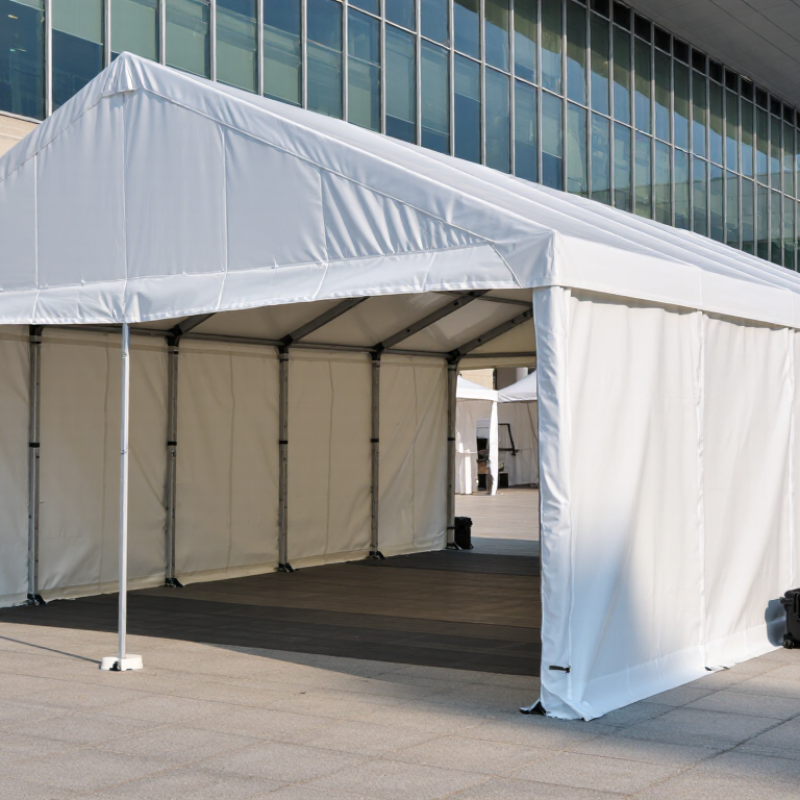
Personalized Canopy Tents: Definition, Uses, and China’s Export Role
Personalized canopy tents are portable shelters made with selected colors, graphics, sizes, and accessories. They usually include a steel or aluminum frame, a coated fabric roof, and optional sidewalls. Their uses range from outdoor markets and sports events to trade shows, community activities, and temporary product displays. A clear logo, strong stitching, and stable feet can improve visibility and user confidence. Small details matter.
China plays a significant role in global canopy tent exports because its suppliers offer broad material choices, flexible production, and competitive manufacturing capacity. Experienced exporters can support custom printing, carton packaging, sample checks, and shipping coordination. Reliable production still requires careful inspection. Fabric color may vary slightly between samples and bulk orders. That issue deserves attention, not excuses. Buyers should confirm fabric weight, frame thickness, printing durability, packed dimensions, and replacement-part availability before ordering.
Tips: Request a physical sample when possible. Check the tent outdoors, not only under showroom lights. Ask for material test information and clear production photos. Confirm export documents and destination requirements with a qualified logistics partner. A rushed specification can create costly adjustments later.
China is a major global export base for synthetic-fibre tents, including customizable canopy tents used for events, trade shows, outdoor promotions, markets, and temporary shelters. The chart shows China’s estimated export value for HS 630622, “Tents of synthetic fibres,” based on rounded UN Comtrade trade data reported in current US dollars.
Customization: Dye-Sublimation, UV Ratings, and Fire-Safety Codes
China Top Personalized Canopy Tent Manufacturer?
Customization begins with the fabric, not the logo. Dye-sublimation transfers ink into polyester fibers, creating sharp graphics that resist surface peeling. This matters when a 3-by-3-meter canopy is folded, transported, and installed repeatedly. A printed sample should be checked under daylight and indoor lighting. Dark blue can shift noticeably.
UV performance needs clearer evidence. Ask for the fabric’s UPF or UV resistance rating, test method, and exposure conditions. A high rating can help reduce fading, but it does not guarantee permanent color. Mesh walls, roof seams, and untreated thread may age differently. We have seen attractive samples lose contrast after long outdoor use. That part deserves more testing.
Fire safety requires local verification. Standards differ by country, venue, and event type. A supplier should identify the applicable code and provide current laboratory reports for the exact fabric construction. Flame-retardant treatment can affect hand feel, odor, coating, and recycling options. Do not accept a generic certificate. Confirm fabric weight, treatment batch, and report validity. Some buyers overlook the frame and sidewalls. That is a mistake. Request production photos, dimensional checks, and a physical pre-shipment sample. Reliable customization is not only colorful printing; it is documented material control.
Choosing a Top China Manufacturer: MOQ, 15–30-Day Lead Times, and QC
China Top Personalized Canopy Tent Manufacturer?
Choosing a top China manufacturer requires more than comparing unit prices. The 2024 Camping Tent Market report estimates steady global growth through 2030, increasing pressure on suppliers to deliver customized products consistently.
MOQ matters.
A practical starting range is often 50–100 units for standard fabrics and 100–300 units for fully printed canopies. Smaller orders may carry setup fees. Ask for a written breakdown.
Lead time
should be measured from artwork approval, deposit receipt, and material confirmation. Reliable factories commonly quote 15–30 days for production. This timeline can change during peak seasons.
Request a sample, color proof, and production schedule before payment. I have seen buyers focus too heavily on speed. That decision can create rushed stitching and uneven printing.
Quality control needs measurable checkpoints.
Inspect fabric weight, UV coating, seam strength, frame joints, carry bags, and carton protection. ISO 2859-1 provides a recognized sampling method for acceptance inspection. The 2024 QIMA quality data report also shows why supplier verification matters, as manufacturing defects remain a recurring sourcing risk across international supply chains.
Use an agreed AQL level, photographs, and dimensional records. One overlooked detail is wind performance. Ask for test evidence suited to the intended use. Specifications alone are not proof. A good factory should accept reasonable inspection, but buyers must review the evidence carefully.
Compliance and Cost: ASTM/EN Standards, Warranty, and Delivered Price
China Top Personalized Canopy Tent Manufacturer?
Compliance and Cost: ASTM/EN Standards, Warranty, and Delivered Price
Choosing a personalized canopy tent manufacturer requires more than checking fabric color and printing quality. Compliance is not a decorative certificate. ASTM and EN requirements vary by material, structure, fire performance, wind loading, and venue. A capable factory should provide recent test reports, material specifications, and production records. Ask whether the documents match your exact tent model. Generic files can create expensive confusion.
I have seen buyers approve samples without checking warranty conditions. That mistake is easy to repeat. A useful warranty should define coverage periods, frame failures, stitching defects, fabric issues, and repair responsibilities. It should also explain exclusions, such as storm damage, incorrect installation, or poor storage. Ask who pays for replacement parts and shipping. Written answers are safer than friendly promises.
Compare the delivered price, not only the factory quotation. Include packaging, ocean or air freight, customs duties, taxes, destination handling, and unloading costs. Clarify the shipping term carefully. A DDP quote may still exclude local installation or special delivery equipment. Request a line-by-line landed-cost sheet. One low offer may become costly after arrival. Another quote may appear higher because it includes stronger frames, better testing, and spare components. Price alone cannot prove value, and even careful estimates can change with freight rates.