Leave Your Message

How to Choose the Best Roof Top Tent for Camping?

Choosing the best Roof Top Tent is not simply a matter of picking the largest model. Your vehicle, travel habits, sleeping needs, and campsite conditions should guide the decision. A heavy tent may feel comfortable at camp, but it can reduce fuel efficiency and strain your roof rack. A compact model may open quickly, yet leave two adults with limited shoulder space.

Roofnest founder Brendan advises, “A rooftop tent should make camping simpler, not create another problem to manage.” That practical idea deserves attention. Before buying, check your vehicle’s dynamic and static roof-load limits. Measure the rack, not only the roof. Then picture a real evening: wet boots near the ladder, a cold wind against the fabric, and sleeping bags packed inside. Does the tent still feel workable?

Look closely at the shell, hinges, ladder, mattress, ventilation, and rainfly. Hard-shell tents usually open faster and resist rain well. Soft-shell designs may offer more interior room and a lower purchase price. Neither option is perfect. Some buyers focus on mattress thickness and overlook condensation. Others choose a large annex, then rarely use it.

A trustworthy choice balances comfort, durability, weight, setup time, and after-sales support. Read verified owner feedback from climates similar to yours. Test the ladder height if possible. Also consider how often you will remove the tent. The “best” Roof Top Tent is the one you can safely carry, quickly deploy, and genuinely enjoy using. That sounds obvious, but real camping often exposes the details that product photos hide.
How to Choose the Best Roof Top Tent for Camping?

Understanding Roof Top Tent Types and Their Main Features

How to Choose the Best Roof Top Tent for Camping?

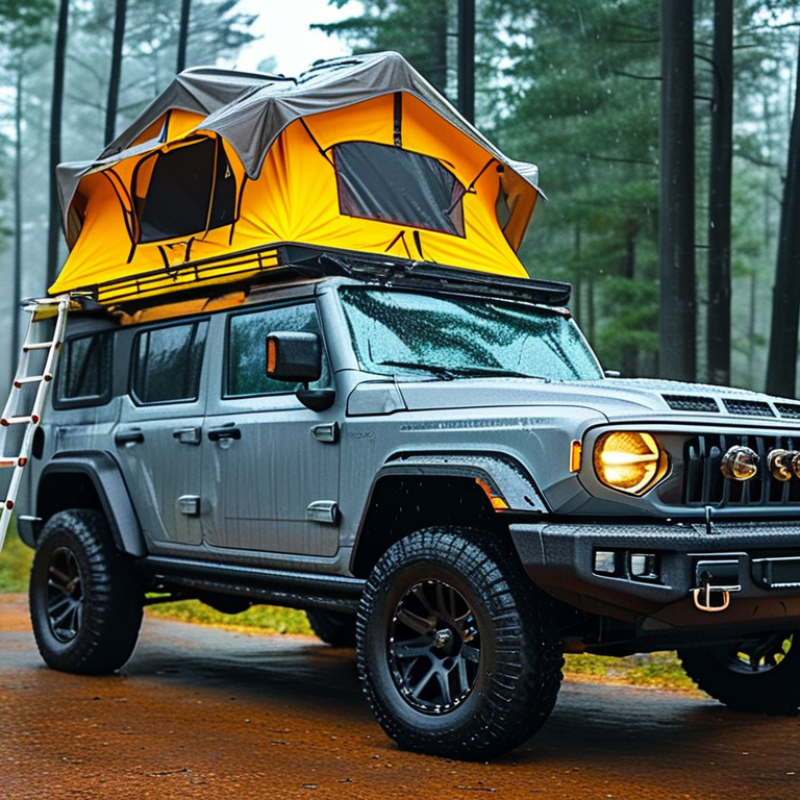
Understanding roof top tent types starts with your vehicle, travel habits, and tolerance for setup work. Soft-shell tents usually offer more sleeping space and lower weight. They fold like a fabric suitcase, but wind noise and condensation can become annoying. Hard-shell tents open quickly and protect bedding better. Their rigid panels may improve aerodynamics, although they often cost more. Hybrid designs balance these traits, but compromise is unavoidable.

The U.S. Bureau of Economic Analysis reported that outdoor recreation generated $639.5 billion in 2023. This growth has increased interest in practical camping equipment, including rooftop shelters. However, popularity should not replace measurement. Check your vehicle’s dynamic roof limit, roof-rack capacity, and the tent’s total weight. Add passengers’ gear.

I once underestimated packed equipment and noticed poorer handling on a mountain road. That was an expensive lesson in planning.

Tips:

Compare setup time in real conditions, not showroom demonstrations. Inspect mattress thickness, ladder stability, rainfly coverage, and ventilation openings. The Outdoor Industry Association’s 2024 report recorded 175.8 million U.S. outdoor participants in 2023, showing how varied camping needs can be. A solo traveler may prefer a compact hard-shell model. A family may need a wider soft-shell layout. Remember clearance too. A low garage roof can make an excellent tent surprisingly inconvenient.

Checking Vehicle Compatibility and Roof Load Limits

How to Choose the Best Roof Top Tent for Camping?

Checking Vehicle Compatibility and Roof Load Limits

Choosing a rooftop tent starts with the vehicle, not the tent. Check the owner’s manual for the dynamic roof-load limit while driving. Then inspect the roof rack’s own capacity, because it may be lower than the vehicle’s limit. Include the tent, rack, bedding, and any stored equipment in your calculation. A safe fit depends on the complete system.

Do not confuse dynamic and static ratings. The dynamic limit applies when the vehicle is moving. The static limit covers the parked vehicle, including people sleeping inside. However, the tent should distribute weight across approved mounting points. Avoid placing heavy loads near one corner. Uneven pressure can stress the roof or rack.

I once assumed a compact tent would fit any strong-looking rack. That assumption was wrong. Measure the crossbar distance, mounting channel, roof width, and hatch clearance before buying. Open every door and the rear hatch with the tent fitted, if possible. Check clearance around antennas, sunroofs, and emergency access points. Small details matter.

Installation also deserves careful attention. Use the supplied hardware, follow the torque specifications, and recheck every fastener after the first trip. Loose mounts can develop from vibration. A qualified installer can identify weak mounting points or incompatible rails. Leave enough room for safe entry, and keep the vehicle level when camping. My own checks are never perfect, so I photograph each connection before departure and inspect it again after rough roads.

How to Choose the Best Roof Top Tent for Camping?

Vehicle Compatibility and Roof Load Limits

This chart shows the total stationary roof load created by a 60 kg rooftop tent, 10 kg of camping gear, and 75 kg per occupant. The calculation is: tent mass + gear mass + occupant mass. While driving, only the tent and equipment contribute to the dynamic roof load, so their combined mass must remain within the vehicle manufacturer's maximum roof-load rating. Always check the vehicle handbook, roof-rack rating, and tent instructions before installation.

Comparing Tent Materials, Weather Protection, and Sleeping Space

How to Choose the Best Roof Top Tent for Camping?

Tent material shapes comfort, weight, and durability. Polyester or nylon shells usually pack lighter and dry quickly after rain. However, thin fabric can feel noisy during strong wind. Polycotton blends breathe better and reduce condensation, but they weigh more. Look for reinforced corners, strong zippers, and fully sealed seams. After several campsite setups, I found that careless folding can damage fabric faster than ordinary weather.

Weather protection needs more than a waterproof label. Check the hydrostatic rating, rainfly design, and ventilation openings. A raised floor keeps water away, while covered windows protect against sideways rain. Aluminum poles generally handle repeated use well, but every pole still needs inspection. Cold nights reveal flaws. A small gap near the zipper can create a surprisingly uncomfortable draft.

Sleeping space should match the people using it. Measure the interior length, width, and mattress thickness before buying. A thick mattress feels luxurious, yet it reduces headroom inside the tent. Allow extra space for sleeping bags, clothing, and a child’s movement. I once underestimated ladder placement and blocked the vehicle’s rear access. That mistake made midnight trips awkward.

Tips: Compare the packed weight with your vehicle’s roof-load limits. Test the opening mechanism at home before camping. Choose breathable vents, but keep them partly closed during heavy rain. Bring a small repair kit for fabric, poles, and zipper problems.

Evaluating Setup Methods, Comfort, Safety, and Camping Access

How to Choose the Best Roof Top Tent for Camping?

Choosing a rooftop tent starts with its setup method, not its appearance. Fold-out designs usually provide more sleeping space, while pop-up models often open faster. Test the opening process at home before a trip. A ladder should extend smoothly and lock firmly on uneven ground. I once ignored this detail and struggled during heavy rain. That shortcut was a mistake.

Comfort depends on more than mattress thickness. Check the sleeping length, ventilation openings, interior height, and fabric breathability. A thin mattress may feel acceptable in a showroom but become painful after several hours. Look for a stable base and enough room to change clothes. Small storage pockets help keep phones, lamps, and water bottles away from the sleeping area. Condensation can still appear overnight, even with good ventilation.

Safety requires careful vehicle matching. Confirm the roof’s dynamic load rating for travel and the tent’s total weight. Use the supplied mounting hardware and inspect every fastening point before driving. Never assume a tight bolt remains tight after rough roads. Access also matters at night. Choose a ladder position that avoids branches, traffic, and loose stones. Keep the entry clear, and check whether rain can run directly into the doorway. A quiet campsite can hide practical problems. Carrying a small headlamp makes climbing safer, although I sometimes forget to place it within reach.

How to Choose the Best Roof Top Tent for Camping? – Evaluating Setup Methods, Comfort, Safety, and Camping Access
Tent Type Typical Setup Method Typical Setup Time Sleeping Capacity Mattress & Interior Comfort Weather Protection Safety Considerations Camping Access & Convenience
Soft-Shell Fold-Out Release travel cover, unfold the base, extend the ladder, and secure the rainfly or support poles. 3–8 minutes Usually 2–3 adults; some layouts provide a separate annex for additional sheltered space. Commonly a 5–7 cm foam mattress; spacious sleeping area and good ventilation when windows are open. A waterproof rainfly and sealed seams offer good rain protection; fabric can be more affected by wind and condensation. Confirm the vehicle roof-load rating, use all mounting hardware, and lock the ladder before climbing. Large entry opening and optional annex improve access; more time is required to fold and cover the tent after use.
Hard-Shell Clamshell Release the latches and use gas struts to lift the upper shell; attach or adjust the ladder if required. 1–3 minutes Typically 2 adults; the tapered roof may reduce usable space near the foot end. Usually a 5–6 cm foam mattress; quick deployment and a firm shell provide a tidy, enclosed sleeping area. Rigid outer shell resists rain and branches well; ventilation openings are still important to control condensation. Check that every latch is fully closed before driving and keep the total tent, rack, and cargo weight within limits. Excellent for frequent overnight stops; usually no separate ground-level living area or annex.
Hard-Shell Pop-Up Unlock several latches and raise the roof evenly with gas struts or assisted lift mechanisms. 1–3 minutes Normally 2 adults; the box-shaped interior offers useful headroom and storage space. Often a 5–7 cm mattress with improved sitting height; interior width depends on the vehicle-mounted footprint. Hard roof provides strong overhead protection and fast rain coverage; fabric side panels still need proper tensioning. Inspect lift-assist hardware, hinges, and latches regularly; avoid opening on uneven ground if the roof may twist. Very convenient for short trips, with fast entry and exit; limited external shade compared with annex-equipped designs.
Wedge-Style Hard Shell Open the latches and lift one end of the shell; install or extend the ladder at the higher side. 1–2 minutes Usually 2 adults; the raised end provides better headroom while the lower end has less vertical space. Commonly a 5–7 cm mattress; compact interior and streamlined shape suit minimalist camping. Sloped shell sheds rain effectively and performs well in moderate wind when correctly closed and anchored. Use a stable ladder angle, verify shell locks, and avoid exceeding the rack’s dynamic and static load ratings. One of the fastest options to deploy and pack; reduced living space may be less suitable for long stays.
Expandable Family Tent Unfold the main platform, extend the supporting frame, attach the rainfly, and secure additional rooms or annex panels. 8–15 minutes Often 3–5 people, depending on the floor plan and annex configuration. Usually a 5–7 cm mattress; greater floor area, standing room, and separate sleeping zones improve long-stay comfort. Multiple fabric panels require careful guy-line placement and seam protection, especially in sustained rain or wind. Needs a strong rack and careful weight distribution; secure all poles and guy lines to reduce movement in bad weather. Best for extended family camping; ground-level annex access is convenient but increases setup and packing effort.
Compact Two-Person Tent Open the cover or shell, extend the ladder, and tension the entry fabric or rainfly. 2–5 minutes Designed primarily for 2 adults with limited room for bulky personal gear. Typically a 5–6 cm mattress; efficient use of space but less room to sit, change clothes, or store equipment. Adequate protection for three-season use when the rainfly is correctly fitted; less suitable for severe winter conditions. Keep heavier equipment low in the vehicle, inspect mounting points, and use the ladder only on firm, level ground. Lightweight and easy to handle for weekend travel; limited interior and no dedicated living area.
Selection note: The specifications above are typical planning ranges rather than fixed standards. Before purchase, verify the tent’s actual packed weight, vehicle roof-load limits, roof-rack compatibility, ladder rating, mattress dimensions, weather rating, and manufacturer installation requirements. Dynamic roof load applies while driving; static load applies when the vehicle is parked and occupied.

Balancing Price, Maintenance Needs, and Long-Term Value

How to Choose the Best Roof Top Tent for Camping?

Balancing Price, Maintenance Needs, and Long-Term Value

A roof top tent is not automatically a better investment than ground camping. Kampgrounds of America’s 2024 North American Camping Report recorded 57.8 million camping households in 2023. That demand makes price comparisons useful, but purchase cost is only one part of ownership. A cheaper tent may need earlier fabric replacement, stronger ladder repairs, or more frequent waterproofing. Those costs can quietly exceed the original savings.

Check the shell, hinges, mattress, ladder, and mounting hardware before buying. A rigid shell usually opens faster and sheds rain better, but it can weigh more and increase fuel use. A soft-shell design often costs less, yet its canvas needs careful drying after wet trips. The U.S. Department of Energy reports that added vehicle weight can reduce fuel economy. The exact impact depends on the vehicle, speed, and tent weight. I would not trust one advertised percentage.

Tips: Estimate the full five-year cost. Add the tent, rack system, installation, waterproofing products, replacement parts, storage, and extra fuel. Ask whether common parts can be replaced individually. Inspect seams after every storm. Let the fabric dry completely before closing it. Keep a small repair kit in the vehicle.

The Outdoor Industry Association’s 2024 Outdoor Participation Trends Report found that 175.8 million Americans participated in outdoor recreation during 2023. More users can mean more wear, especially at crowded campsites. A tent with simple repairs and accessible hardware may hold value better than a feature-heavy model. Resale value is uncertain, though, and personal comfort can matter more than a perfect spreadsheet.