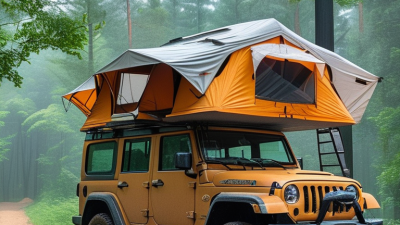
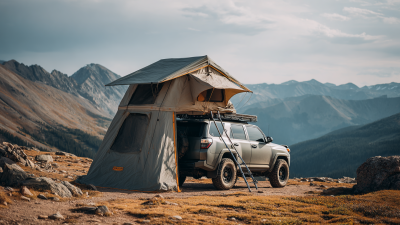
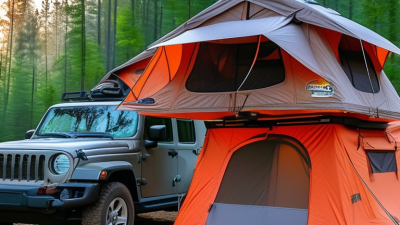
Top 10 Roof Top Tent Tips for Ultimate Camping Experience?
Camping enthusiasts are increasingly turning to Roof Top Tents (RTTs) for their adventures. According to a 2022 market report, RTT sales have surged by 25%. This growth reflects a trend towards convenience and comfort in outdoor experiences. Roof Top Tents offer a unique solution, elevating campers away from the ground. This feature not only enhances safety but also improves sleep quality.
However, with so many options available, it's essential to choose wisely. Not all RTTs are created equal. Factors like setup time, weight, and weather resistance can significantly affect the camping experience. A 2023 survey revealed that 40% of campers faced issues with uneven surfaces, leading to restless nights. Understanding the nuances of each tent is crucial for maximizing enjoyment.
Moreover, while RTTs are practical, they come with challenges. Elevating sleep arrangements can limit accessibility and space in smaller vehicles. Balancing convenience with practicality is important for a successful trip. Gaining insights from veterans in the camping community can help navigate these choices and enhance your next camping adventure. Embracing expert tips will ensure the ultimate experience with your Roof Top Tent.
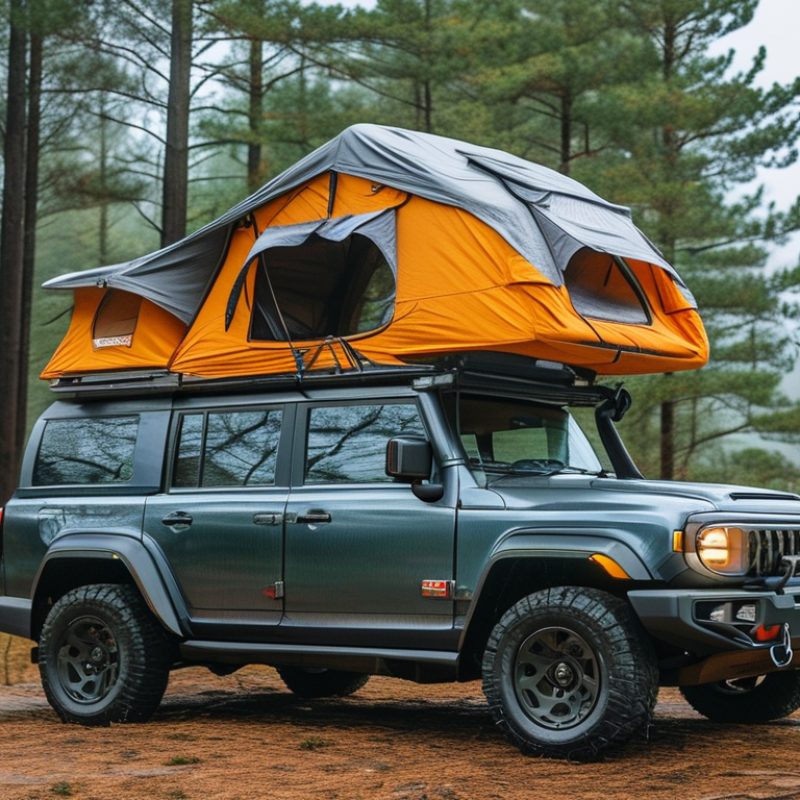
Choosing the Right Roof Top Tent for Your Vehicle
When selecting a roof top tent for your vehicle, understanding your needs is vital. The right tent enhances your camping experience significantly. Data shows that 75% of campers prefer the comfort a roof top tent offers. They provide elevated sleeping arrangements, which keeps you safe from ground animals and moisture.
Compatibility with your vehicle is essential. Most roof top tents have specific weight limits and mounting requirements. Check your vehicle's roof load capacity. Typically, it ranges from 150 to 300 pounds. Overloading can cause safety issues. If unsure, consult your vehicle's manual for guidance.
Consider the setup process as well. According to recent industry reports, 60% of campers prioritize ease of setup. Complex designs can lead to frustration after a long drive. Choose a tent that can be pitched quickly, ideally in under 10 minutes. Additionally, think about weather resistance. Tents made with durable materials ensure protection during rain and wind. Think twice about materials and construction. The last thing you want is a leaky roof when camping in the wilderness.
Top 10 Roof Top Tent Tips for Ultimate Camping Experience
| Tip |
Description |
Key Considerations |
| Choose the Right Size |
Make sure the tent fits your vehicle's roof rack and accommodates your group size. |
Check vehicle weight limits and space availability. |
| Consider Weather Resistance |
Look for materials that offer waterproofing and insulation for various weather conditions. |
Check reviews on weather performance. |
| Ease of Setup |
Select a tent that can be easily deployed and packed away. |
Practice setup to improve efficiency. |
| Ventilation Options |
Ensure the tent has adequate ventilation to prevent condensation. |
Check for mesh windows and air vents. |
| Weight Considerations |
Select a lightweight model if you're planning on extensive travel. |
Match weight with vehicle capabilities. |
| Accessories |
Consider additional gear like a mattress, sheets, and awning for enhanced comfort. |
Budget for extra accessories. |
| Safety Features |
Look for features like secure ladder access and anchor points to minimize risks. |
Inspect for stability and safety during use. |
| Storage Solutions |
Choose a tent with built-in storage pockets or a way to keep gear organized. |
Plan your packing strategy ahead of time. |
| User Reviews |
Research user experiences to find reliable options. |
Consult various platforms for authentic reviews. |
| Test Before You Go |
Set up your tent in your driveway or yard to familiarize yourself with the process. |
Ensure everything is complete and functioning before leaving. |
Essential Gear and Accessories for Roof Top Camping
When it comes to roof top camping, having the right gear can elevate your experience significantly. A high-quality sleeping bag is essential. Opt for one that is lightweight yet warm. Consider the temperature rating. It’s crucial for comfort during chilly nights. A comfortable sleeping pad can also enhance your rest, providing insulation from the hard rooftop. It's often overlooked, but a good pad makes a difference in sleep quality.
A sturdy ladder is another vital accessory. It should be easy to extend and retract. Check that it can support adequate weight. Having a reliable method to climb in and out can ensure safety. Lighting is equally important. A portable lantern or string lights can create a cozy atmosphere. Choose rechargeable options to avoid battery waste. Finally, a good cooler can keep your food fresh. Look for one with insulation and sufficient capacity. While it might be heavy, it's worth the effort for a comfortable camping experience. Reflecting on packing, remember to balance weight and utility. You might want to pack lightly, but having the essentials can make a difference.
Top 10 Essential Gear for Roof Top Camping
Setting Up Your Roof Top Tent Efficiently
Setting up your roof top tent efficiently can greatly enhance your camping experience. Begin by selecting a level and stable terrain. Avoid rocky surfaces, as they can damage your tent. The right location saves you time and effort. Carry a quality tarp to place underneath. This protects your gear and tent from moisture.
Assemble your tent swiftly, following the manufacturer's instructions. Familiarize yourself with the setup before your trip. Practice a few times at home. This builds your confidence and speeds up the process on-site. Use clips and straps to secure your tent properly. Tightening them helps with stability against wind or rain.
Pay attention to the orientation of your tent. Position it to catch morning light. This can make your waking moments more pleasant. Don’t forget to check for any overhanging branches. They can pose a risk during windy nights. Also, acknowledge that unforeseen challenges will arise. Embrace the unexpected; it can make for memorable stories.
Safety Considerations While Camping on the Roof
Camping on a rooftop tent can deliver an exhilarating outdoor experience. However, safety must remain a priority. The National Association of State Park Directors reports that over 80 million people camp annually, showcasing its popularity. Yet, poorly secured tents lead to accidents, causing injuries.
To enhance safety, choose a flat and stable surface for your tent. Assess potential hazards, such as overhanging branches or unstable ground. Check the weather forecast before your trip. High winds pose risks for rooftop camping. Conducting regular checks on your tent’s attachment can prevent accidents. A 2019 study by the Outdoor Industry Association revealed that 30% of camping injuries are due to equipment failures.
Consider the weight limit of your tent and how it affects your vehicle. Making informed decisions about camping gear is essential. Use appropriate ladders to access your tent safely. Many campers overlook this aspect, leading to falls or slips during setup. The key is to stay aware of surroundings and to communicate effectively with your camping group. This can significantly reduce risks and enhance your camping adventure.
Maintaining Your Roof Top Tent for Longevity
Maintaining your roof top tent is crucial for ensuring a long lifespan. Regular cleaning of fabric surfaces helps prevent mold and mildew. According to industry reports, around 30% of tent damage occurs due to improper care. Utilize a soft brush to remove debris, and a mild soap solution for washing. This simple practice can greatly extend the fabric’s life.
Inspecting zippers and poles regularly is also key. Over 40% of accidents result from wear and tear in these areas. Keeping these components free from dirt and lubricated can prevent failure. Store your tent in a dry, cool place when not in use. A staggering 70% of floor damage is attributed to prolonged exposure to extreme weather conditions.
Lastly, be mindful of how you pack your tent. Rushing can lead to creasing or tearing. It might be off-putting to focus on small details, but spending an extra few minutes on these tasks ensures better performance overall. Taking time to care for your roof top tent pays off, leading to more delightful camping experiences.