Top 10 Hiking Sleeping Bags for Every Season
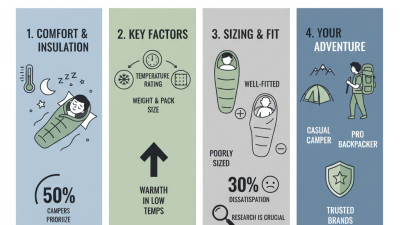
Choosing the right Hiking Sleeping Bag can decide whether a night outdoors feels restorative or painfully long. Temperature, humidity, wind, and personal metabolism all matter. A summer bag may feel perfect beside a dry lake, yet fail on a frosty ridge. Small details become important. Zipper length, hood design, insulation type, and packed size can change your entire trip.
Outdoor educator Andrew Skurka has said, “A sleeping bag is only one part of a sleep system.” That practical reminder guides this selection. A warm bag cannot compensate for a thin sleeping pad, wet clothing, or poor campsite protection. Experienced hikers also check the manufacturer’s temperature ratings carefully. Comfort ratings usually offer a safer reference than extreme ratings. Still, ratings vary between brands and testing methods. Your own sleep habits matter.
This guide, “Top 10 Hiking Sleeping Bags for Every Season,” compares reliable options for summer trails, shoulder-season camps, and colder mountain nights. We examine down and synthetic insulation, draft collars, shell fabrics, durability, weight, and real-world versatility. Some bags excel in freezing conditions but feel excessive during humid summer trips. Others pack beautifully but provide less moisture resistance. There is no perfect choice. I have found that fit often matters more than a few saved grams. A narrow bag may trap warmth efficiently, but restless sleepers can feel restricted. That trade-off deserves honest attention. We also consider layering, campsite exposure, and long-term care, helping you choose a Hiking Sleeping Bag that matches your route, climate, and comfort needs.
How to Evaluate Sleeping Bags for Different Hiking Seasons
Choosing a hiking sleeping bag begins with the season, not the advertised weight. A summer bag should breathe well around 10°C nights. For spring and autumn, choose insulation with a comfort rating near freezing. Winter trips demand a lower limit suited to local forecasts and personal cold tolerance. Temperature ratings are useful, but they are not guarantees.
I examine insulation, shell fabric, zipper design, and packed volume. Down compresses efficiently and offers excellent warmth for its weight. However, it loses performance when soaked. Synthetic insulation dries faster and often suits damp forests or repeated wet-weather trips. A water-resistant footbox helps, but it cannot replace a dry shelter. Small details matter.
Fit matters too. A narrow bag can restrict clothing layers and compress insulation. A wider cut may feel comfortable, yet it usually weighs more. Check whether the hood closes around your face without blocking movement. I once chose a very light bag for a cool mountain route. That judgment was wrong. My sleeping pad was too thin, and the cold rose from below. Now I evaluate the bag and pad as one system. I also test zippers with gloves and pack the bag after a humid morning. Real use reveals flaws that product figures hide. Forecasts can shift quickly. Leave room for that mistake.
Top 10 Hiking Sleeping Bags for Every Season - How to Evaluate Sleeping Bags for Different Hiking Seasons
| Rank |
Sleeping Bag Type |
Recommended Season |
Comfort Rating |
Lower Limit |
Insulation |
Fill Weight |
Total Weight |
Packed Size |
Shape |
Best Use |
| 1 |
Ultralight Summer Quilt |
Summer |
10°C / 50°F |
5°C / 41°F |
650-fill duck down |
250 g / 8.8 oz |
550 g / 1 lb 3 oz |
15 × 30 cm / 6 × 12 in |
Quilt |
Warm-weather backpacking and low-elevation camps |
| 2 |
Lightweight Summer Mummy |
Summer |
8°C / 46°F |
3°C / 37°F |
Synthetic hollow fiber |
Not specified |
850 g / 1 lb 14 oz |
18 × 32 cm / 7 × 13 in |
Mummy |
Humid climates, coastal trails, and occasional rain |
| 3 |
Three-Season Down Mummy |
Spring to Fall |
2°C / 36°F |
-3°C / 27°F |
700-fill duck down |
450 g / 15.9 oz |
900 g / 2 lb |
18 × 33 cm / 7 × 13 in |
Mummy |
General backpacking in moderate mountain conditions |
| 4 |
Three-Season Synthetic Mummy |
Spring to Fall |
2°C / 36°F |
-3°C / 27°F |
Continuous-filament synthetic |
Not specified |
1,250 g / 2 lb 12 oz |
22 × 35 cm / 9 × 14 in |
Mummy |
Wet environments and budget-conscious trips |
| 5 |
Three-Season Comfort Rectangular |
Spring to Fall |
5°C / 41°F |
0°C / 32°F |
Synthetic fiber |
Not specified |
1,400 g / 3 lb 1 oz |
25 × 38 cm / 10 × 15 in |
Rectangular |
Car camping, hut trips, and sleepers who prefer extra room |
| 6 |
Cold-Weather Down Mummy |
Late Fall to Early Winter |
-5°C / 23°F |
-12°C / 10°F |
750-fill goose down |
750 g / 26.5 oz |
1,250 g / 2 lb 12 oz |
22 × 36 cm / 9 × 14 in |
Mummy |
High-altitude camps and cold shoulder-season trips |
| 7 |
Cold-Weather Synthetic Mummy |
Late Fall to Early Winter |
-5°C / 23°F |
-12°C / 10°F |
Synthetic staple fiber |
Not specified |
1,850 g / 4 lb 1 oz |
28 × 40 cm / 11 × 16 in |
Mummy |
Damp cold, snow-prone camps, and frequent-use trips |
| 8 |
Winter Expedition Mummy |
Winter |
-12°C / 10°F |
-20°C / -4°F |
800-fill goose down |
1,200 g / 42.3 oz |
1,850 g / 4 lb 1 oz |
25 × 40 cm / 10 × 16 in |
Mummy |
Established winter routes and cold alpine conditions |
| 9 |
Extreme Winter Mummy |
Deep Winter |
-18°C / 0°F |
-30°C / -22°F |
800-fill goose down |
1,650 g / 58.2 oz |
2,400 g / 5 lb 5 oz |
30 × 45 cm / 12 × 18 in |
Mummy |
Severe cold, exposed camps, and winter expeditions |
| 10 |
Convertible Three-to-Four-Season Bag |
Spring to Winter |
0°C / 32°F |
-6°C / 21°F |
Synthetic fiber with removable liner |
Not specified |
1,650 g / 3 lb 10 oz |
25 × 38 cm / 10 × 15 in |
Semi-rectangular |
Hikers wanting one adaptable bag for variable conditions |
Temperature ratings are comparative planning figures; actual warmth depends on the sleeping pad, clothing, shelter, humidity, and individual metabolism.
Essential Features for Warmth, Weight, Comfort, and Packability
Choosing among the top 10 hiking sleeping bags starts with warmth, not appearance.
ISO 23537 testing separates comfort, transition, and lower-limit temperatures. Those ratings matter more than a bold temperature claim. In field use, I check the comfort rating against the coldest forecast, then add a safety margin.
A damp campsite can feel far colder than the weather app suggests.
Weight and packability require compromise.
A 2024 Outdoor Industry Association report recorded
175.8 million U.S. outdoor participants in 2023.
More hikers now carry gear farther, making every gram noticeable. For three-season trips, a bag near 1 kilogram can feel reasonable. Ultralight models may compress beautifully, but thinner insulation demands careful sleeping-pad selection.
Small details help: a two-way zipper, a shaped hood, and a draft collar prevent cold air from reaching your shoulders.
Stuff it loosely at home. Compression is useful, though over-compressing insulation repeatedly may reduce loft over time.
Comfort is personal and often underestimated.
Roomier cuts help side sleepers, while narrow designs retain heat more efficiently. Down usually offers excellent warmth-to-weight performance, while synthetic fill handles damp conditions more confidently. A 2023 market analysis by Grand View Research projected steady global sleeping-bag growth through 2030, reflecting wider use across hiking and camping.
Still, market growth does not guarantee better sleep. I once trusted a low packed volume and regretted the cramped footbox.
Test the bag indoors first. Your shoulders, clothing layers, and sleeping pad should all fit without fighting the zipper.
Top 10 Hiking Sleeping Bags for Spring, Summer, Autumn, and Winter
Choosing a hiking sleeping bag by season requires more than checking its temperature rating. Spring trails can feel warm at noon and icy after sunset. Choose a bag rated slightly below expected nighttime temperatures, especially for damp campsites. Synthetic insulation handles moisture well, while down usually offers better compressibility. A waterproof stuff sack protects either option.
Summer calls for a lightweight bag with breathable fabric and a full-length zipper. On warm nights, opening the zipper can prevent clammy discomfort. Autumn requires more flexibility. A three-season bag with a snug hood, draft collar, and adjustable footbox can manage sudden cold without excessive weight. Check the comfort rating, not only the lower limit. That distinction is easy to miss.
Winter demands careful system planning. A warm sleeping pad is essential because the ground can drain body heat quickly. Look for a bag with a generous hood, insulated zipper, and enough room for thin base layers. Moisture remains a serious issue. Keep the bag ventilated during breaks, but avoid storing it compressed for long periods. Even experienced hikers sometimes choose a bag that is too warm, then sleep poorly from trapped sweat. I have seen this mistake repeated. Seasonal weather is unpredictable, so a small comfort margin often matters more than the lightest packed weight.
How to Match Temperature Ratings with Trail Conditions
Top 10 Hiking Sleeping Bags for Every Season
Choosing among the top 10 hiking sleeping bags starts with trail conditions, not the printed temperature alone. ISO 23537-1 separates ratings into comfort, lower limit, and extreme categories. For most hikers, the comfort rating matters most. Match it against the forecasted nighttime low, then add a 3–6°C safety margin. Mountain weather changes quickly. NOAA’s 1991–2020 Climate Normals can reveal average lows, but averages cannot predict a sudden cold front. Check recent forecasts, elevation, wind, and expected humidity before leaving.
A summer bag rated near 5°C may suit dry valley trails. It may feel inadequate beside a damp alpine lake. For shoulder seasons, choose a lower-limit rating below the expected low. Your sleeping pad matters equally; ISO testing assumes suitable insulation beneath the bag. A thin pad can make a warm-rated bag feel surprisingly cold. I learned this the uncomfortable way, after trusting a forecast and ignoring wind exposure. The mistake was avoidable.
The Outdoor Industry Association’s 2024 Outdoor Participation Trends Report recorded 59.2 million U.S. hiking participants in 2023. More people are entering varied terrain, where one seasonal rating rarely works everywhere. For wet routes, prioritize water-resistant insulation and a well-fitting hood. For dry winter trips, consider extra loft and room for insulating clothing. Do not confuse a bag’s extreme rating with a safe camping temperature. That number describes survival testing, not restful sleep. Recheck the rating system before purchasing. Small label differences can change a cold night completely.
Care, Packing, and Storage for Long-Term Sleeping Bag Performance
A sleeping bag can last for many hiking seasons when cared for deliberately. After each trip, open it fully and air it indoors away from strong sunlight. Moisture trapped near the footbox can create odors and weaken insulation. I once packed a slightly damp bag too quickly; the next morning, it smelled musty. That mistake was avoidable.
Follow the manufacturer’s care instructions, because down and synthetic fills need different washing methods. Use a large front-loading washer when washing is permitted, and rinse until no soap remains.
Dry it completely on low heat, checking often and gently separating clumps by hand. For packing, stuff the bag loosely into its sack instead of folding it along the same line every time. Store it uncompressed in a breathable storage bag, inside a cool, dry room.
Avoid garages, humid basements, and sealed plastic containers. Keep it dry.
Tips: Place a clean liner inside the bag to reduce sweat and body oils. Shake out leaves and grit before packing. Never store the bag beside fuel, solvents, or sharp tools. Check the zipper, seams, and insulation before each trip. Small repairs are easier before a cold night exposes them. I still sometimes rush this inspection, especially after a long hike, and that is exactly when damage gets missed. Rotate the storage position occasionally, and record washing dates in a simple notebook.