10 Tips to Choose the Best Sleep Sack For Adults?
Choosing the right Sleep Sack For Adults can make cold nights feel calmer and more comfortable. Unlike ordinary blankets, a sleep sack surrounds the body and reduces drafts around the shoulders, legs, and feet. It can be useful for camping, travel, seasonal bedrooms, or anyone who dislikes tangled bedding. However, warmth alone should not decide your purchase.
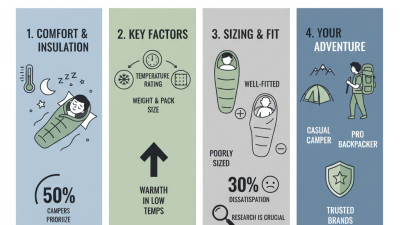
This guide explores ten practical tips for selecting a suitable adult sleep sack. We will consider insulation, fabric, size, shape, breathability, weight, and ease of cleaning. A sack that feels warm in a store may become uncomfortable after several hours. Small details matter, such as a smooth zipper, enough knee room, and a lining that does not cling to damp skin. Check the temperature rating carefully. Personal comfort varies, and manufacturer ratings are not perfect promises.
Safety and fit deserve equal attention. Choose materials appropriate for your sleeping environment, and avoid excessive warmth if you tend to sweat at night. People with allergies may prefer washable, low-irritation fabrics. Those with mobility concerns should test the zipper and opening before buying. Product reviews can reveal repeated problems, but they should support, not replace, practical judgment. A reliable choice balances warmth, ventilation, durability, and realistic use. Your first option may still be wrong. Comfort often becomes clear only after several nights.
Understand the Purpose and Benefits of an Adult Sleep Sack
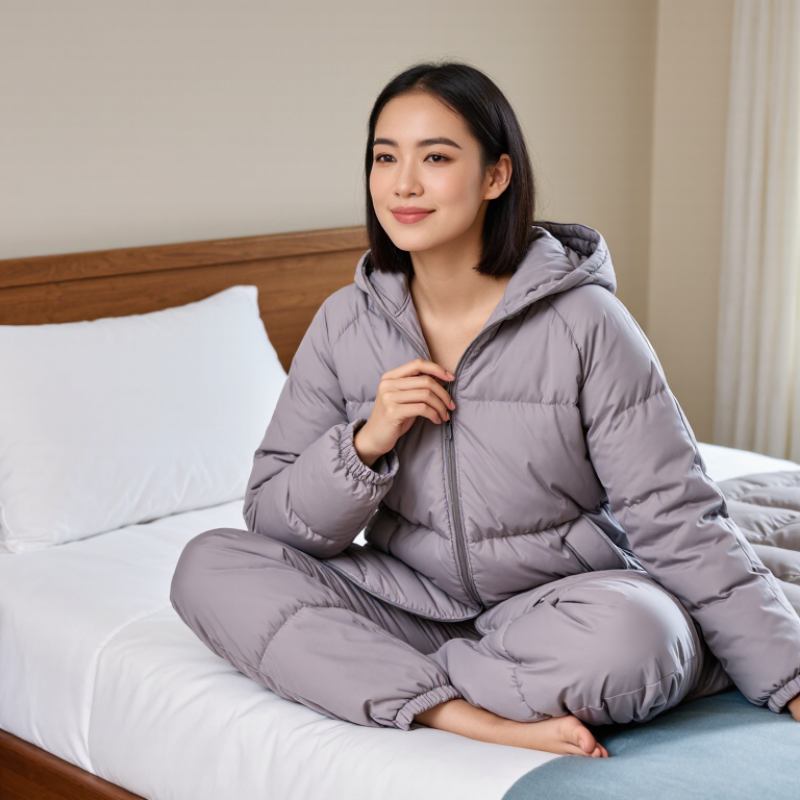
An adult sleep sack is more than oversized bedding. It creates a stable layer around the body during sleep, travel, or cold-room recovery. The American Academy of Sleep Medicine recommends at least seven hours of sleep for most adults. Comfort can support that target, although a sleep sack cannot correct poor sleep habits or untreated disorders.
Its main benefit is temperature consistency. A suitable sack can reduce drafts, prevent blankets from slipping, and make outdoor sleeping less restless. Choose breathable fabric, gentle insulation, and enough room for natural movement. Check the shoulder opening and zipper carefully. A tight fit may feel restrictive, while excessive space can trap heat. The Centers for Disease Control and Prevention links adequate sleep with better daily health, but direct clinical evidence for adult sleep sacks remains limited.
That matters.
Use the sack for its real purpose: thermal comfort and practical coverage. Avoid heavy insulation in warm rooms, especially if you sweat at night. A washable shell is useful after camping or long journeys. I once assumed thicker insulation meant better comfort. That assumption was wrong for mild climates. Personal testing should include lying down, turning, and reaching for a water bottle. If breathing feels uncomfortable, movement is limited, or overheating occurs, stop using it. The American Academy of Sleep Medicine also advises discussing persistent sleep problems with a qualified healthcare professional rather than relying on sleep accessories alone.
10 Tips to Choose the Best Sleep Sack for Adults
An adult sleep sack should match the bedroom temperature, sleeping position, fabric preference, mobility needs, and personal comfort level. The chart below uses Fahrenheit temperature bands within the commonly recommended adult bedroom range of approximately 60–67°F (16–19°C).
How to Use These Temperature Bands
Choose a warmer, more insulating sleep sack for the cooler end of the range and a lighter, more breathable design for warmer rooms. Always consider your own heat sensitivity, clothing layers, fabric breathability, freedom of movement, zipper comfort, washing requirements, and whether the sack is suitable for your sleeping position. These ranges are starting points rather than medical or product-specific requirements.
Choose the Right Size, Shape, and Fit
Choosing the right size matters more than selecting the thickest fabric. Measure your height, chest, waist, and hip circumference before shopping. Do not rely on your usual clothing size. Sleep sacks can vary widely between manufacturers.
The neck opening should sit comfortably without pressing your throat. Shoulder seams should rest near your shoulders, not slide toward your elbows. Check that the sack allows easy turning in bed. You should bend your knees without pulling the fabric tight. Leave enough space for natural movement, but avoid excess material around your face or feet. It can twist during sleep.
Shape affects comfort through the night. A rectangular design gives restless sleepers more room. A tapered shape may feel warmer, but it can restrict side sleepers. If you sleep curled up, test the leg space carefully. I once chose a sack that fit my chest well but felt narrow around my knees. That mistake was obvious by morning. A two-way zipper can help with temperature control and nighttime access. It should move smoothly without catching fabric. Inspect the stitching and closures before regular use. Fit is personal. Even careful measurements can miss how a sack feels after several hours. 恒一
10 Tips to Choose the Best Sleep Sack for Adults: Choose the Right Size, Shape, and Fit
| Tip |
Selection Dimension |
What to Check |
Practical Guidance |
| 1 |
Measure Body Length |
Measure from the shoulder area to the desired lower hem, rather than relying only on height. |
Choose a length that allows the feet to rest comfortably without forcing the knees or hips into an unnatural position. |
| 2 |
Check Shoulder and Chest Fit |
Compare your shoulder width and chest circumference with the product's size chart. |
The upper opening should stay secure during sleep but should not compress the chest, neck, or shoulders. |
| 3 |
Select the Right Shape |
Consider rectangular, cocoon, or mummy-style designs according to sleeping position and mobility needs. |
Rectangular shapes offer more movement; tapered shapes generally reduce excess air space and may feel warmer. |
| 4 |
Match Warmth to the Room |
Review the insulation level, filling weight, and the bedroom's typical temperature. |
Use lighter insulation in warm rooms and more insulation in cool rooms. Avoid excessive warmth, sweating, or damp clothing. |
| 5 |
Understand Fabric Performance |
Evaluate softness, breathability, moisture management, durability, and ease of care. |
Cotton and bamboo-based fabrics may feel soft and breathable, while synthetic technical fabrics often dry quickly and resist wear. |
| 6 |
Allow Comfortable Foot Movement |
Check whether the lower section permits natural ankle and foot movement. |
A footbox or wider lower section can improve comfort for side sleepers and people who change position frequently. |
| 7 |
Inspect the Closure System |
Look for smooth zippers, secure snaps, covered zipper ends, and closures that are easy to operate. |
Two-way zippers can improve ventilation and make it easier to get in and out without removing the entire sleep sack. |
| 8 |
Prioritize Safe Mobility |
Make sure the design does not restrict breathing, circulation, walking, or emergency movement. |
Avoid neck openings that are too tight and avoid designs that could cause tripping when standing or walking. |
| 9 |
Consider Layering |
Assess how the sleep sack will fit over sleepwear and whether extra layers are needed seasonally. |
Leave enough room for a comfortable base layer, but avoid excessive looseness that can create drafts or tangled fabric. |
| 10 |
Check Care and Storage Needs |
Review washing temperature, drying instructions, shrinkage risk, and packability. |
A machine-washable, quick-drying design is practical for regular use. Store it fully dry to help prevent odors and mildew. |
Evaluate Care Requirements, Durability, and Overall Value
10 Tips to Choose the Best Sleep Sack for Adults
Care requirements often determine real value more than the purchase price. Check whether the sleep sack is machine washable, dryer-safe, and easy to air-dry. A removable liner can reduce frequent washing. That matters because bulky insulation may take hours to dry completely. Look for clear fiber content and washing temperatures, not vague “easy care” language. The WRAP organization reports that extending a garment’s life by nine months can reduce its carbon, water, and waste footprints by around 20–30%. A washable design supports that goal.
Durability deserves closer inspection. Examine zipper strength, seam finishing, fabric density, and stress points around the shoulders and feet. The AATCC and ISO textile testing systems use methods for abrasion, colorfastness, and seam performance, but shoppers rarely receive every test result. Ask for measurable specifications. The Textile Exchange Materials Market Report states that global fiber production reached about 124 million tonnes in 2023. Longer use can reduce replacement demand. Still, I would not treat thick fabric as automatic proof of durability. My own mistake was assuming heavier meant better; poor stitching failed first.
Calculate value per use. Divide the total cost by realistic nights of use, then include washing time, repairs, and replacement parts. A sack that costs more may be cheaper after 150 uses. Choose insulation suited to your room temperature, because overheating can reduce comfort and shorten sleep. Check the zipper from a seated position. Small details matter. If care instructions seem incomplete, pause before buying.